I vividly remember how exceptionally hot last summer was. It was a summer when I truly felt the consequences of global warming, which I had previously viewed with some skepticism. Temperatures soared well above 35°C day after day, while nighttime temperatures remained above 25°C, making tropical nights a part of everyday life. Yet, climate experts warned that compared with the summers ahead, last summer might turn out to have been the coolest.
Despite our concerns about global warming, we had no choice but to use air conditioners more frequently last summer than ever before. The resulting increase in electricity consumption likely led to higher greenhouse gas emissions, further accelerating global warming. As a result, this summer may become even hotter than the last. This is the vicious cycle of global warming driven by air conditioning.
The International Energy Agency (IEA) estimates that greenhouse gas emissions from cooling equipment account for approximately 7% of total global emissions. This is equivalent to half of the 14% share attributed to the transportation sector, including automobiles. While countries around the world have spent hundreds of billions of dollars over several decades developing low-carbon transportation solutions, such as electric and hydrogen-powered vehicles, awareness of carbon emissions caused by cooling remains relatively low. Efforts in the cooling sector have largely focused on improving energy efficiency.
We are living in an era when it is almost impossible to imagine daily life without air conditioning. As climate change intensifies, demand for cooling continues to grow. The IEA has identified cooling as one of the major drivers of future growth in global electricity consumption. Air conditioning is spreading rapidly, particularly in emerging economies with hot and humid climates, including India, China, Southeast Asia, the Middle East, and Africa. Approximately 2 billion cooling units are currently in operation worldwide, and this number is expected to exceed 6 billion by 2050.
In the summer of 2025, South Korea’s peak electricity demand reached 97.8 GW, setting a new all-time record. Cooling equipment was estimated to account for approximately 30–40% of electricity consumption during peak summer hours. With increasingly hotter summers ahead and daily life becoming more difficult without cooling, it is urgent to find solutions that prevent global warming or, at the very least, minimize its impact.
From this perspective, it is worth reconsidering conventional air-conditioning technology, which has relied on cooling-based systems for more than a century, with little fundamental change since Willis Carrier’s invention in 1902. Human comfort is determined not simply by temperature, but by a combination of factors, including humidity, airflow, radiant heat, and activity levels. Even when the indoor temperature is 26°C, an environment with low humidity and good air circulation can still feel sufficiently comfortable.
In fact, people often feel stuffy and uncomfortable in indoor environments where the temperature is low but humidity remains high. Conversely, when humidity is low and air is circulating, the environment can feel relatively cool. In other words, cooling systems that focus solely on lowering temperature are inefficient. They waste energy without necessarily delivering the expected level of comfort.
Furthermore, waste heat released by outdoor air-conditioning units worsens the urban Heat Island Effect. When hundreds of outdoor units operate simultaneously, they can raise the surrounding air temperature by 1–2°C. Ultimately, cooling systems make entire cities hotter, further increasing demand for air conditioning and perpetuating this vicious cycle.
Despite these problems, conventional cooling-based air-conditioning technology has remained largely unchanged for more than 100 years. It is now time to adopt a new approach to addressing these challenges: Clean Cooling.
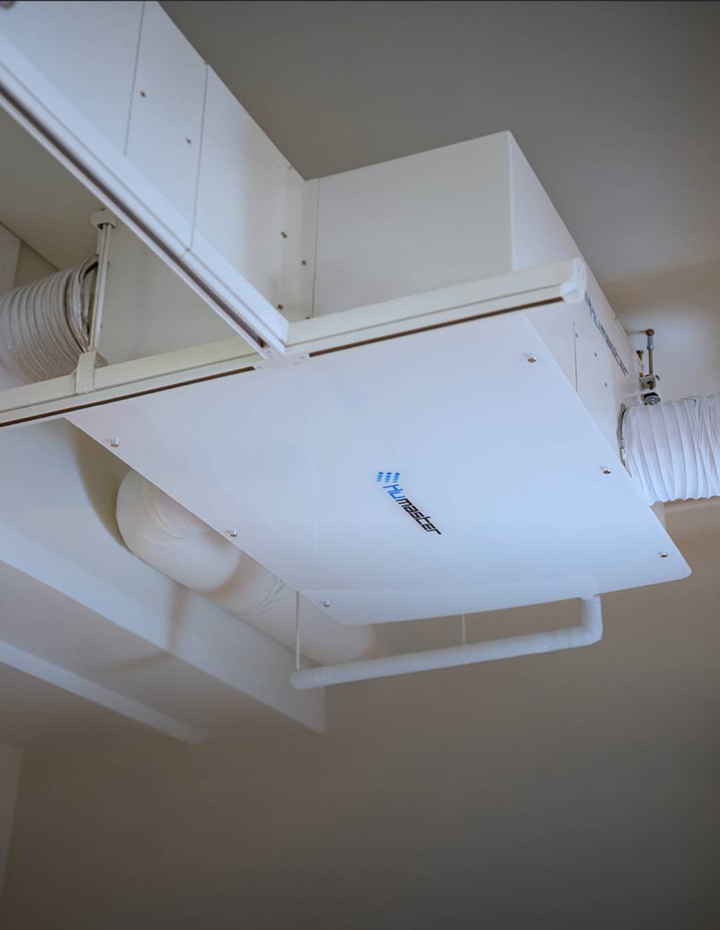
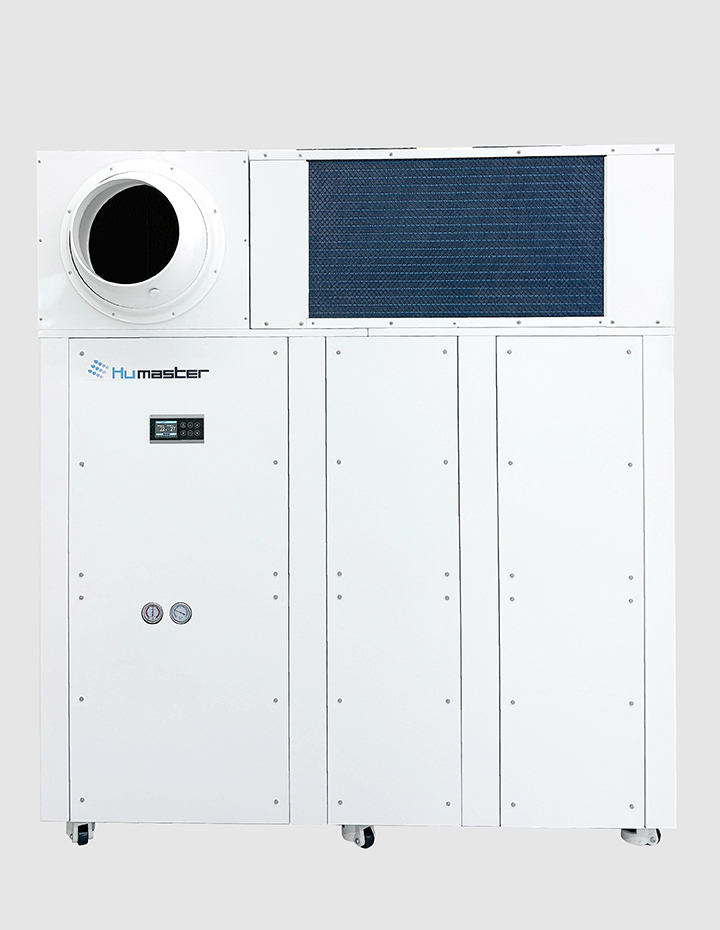
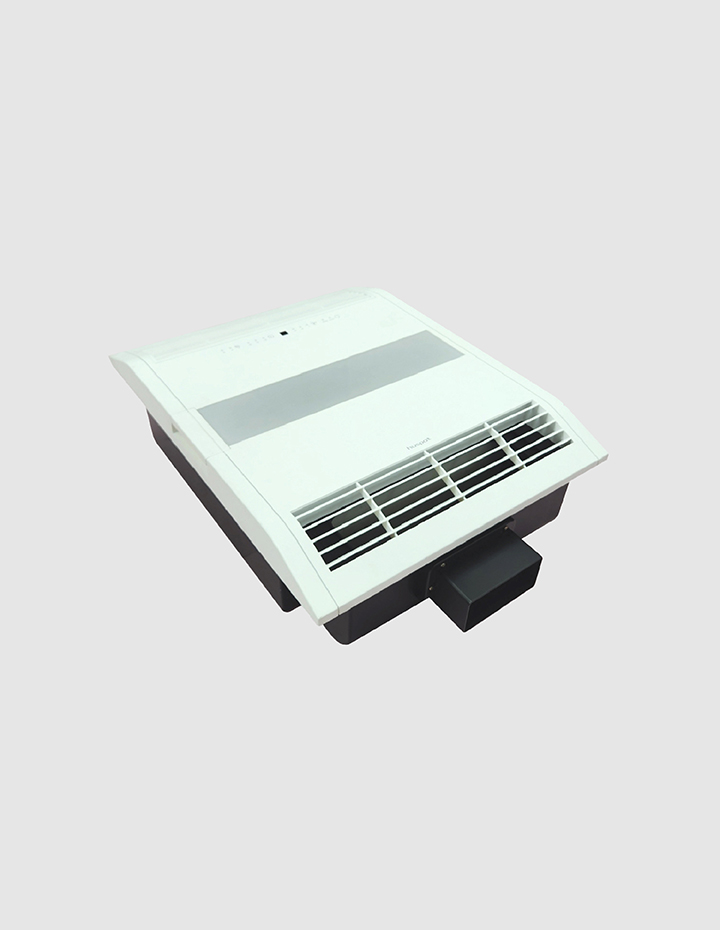
Unlike conventional cooling systems that simply deliver cold air, Clean Cooling focuses on controlling humidity and airflow rather than temperature alone, while reducing the environmental impact associated with refrigerants.
The U.S. National Renewable Energy Laboratory (NREL) has reported that Clean Cooling technologies can reduce energy consumption by up to 50% compared with conventional systems. Meanwhile, the United Kingdom is considering measures to make humidity-based control technologies mandatory in the cooling system designs of newly constructed buildings.
The extreme heat we are experiencing today may be only a preview of what lies ahead. What we need to do is clear: if we cannot reduce our need for cooling, we must change the way we cool. We need cooling solutions that do not contribute to global warming—solutions that make cooling part of the answer to the climate crisis, rather than part of the problem.
This is the change we need to embrace today.