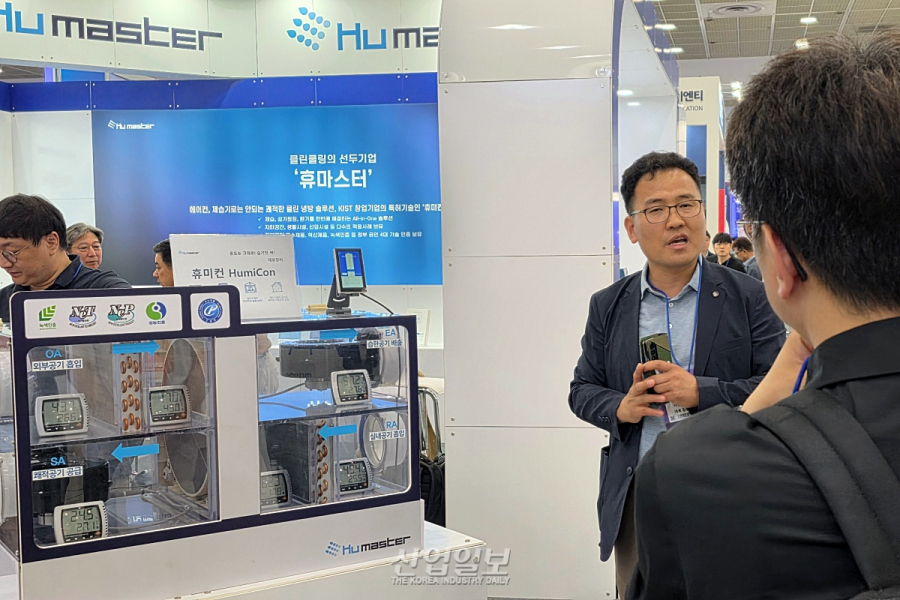
Humaster attracted attention at the Desiccant Cooling Special Session during the Summer Conference of the Society of Air-Conditioning and Refrigerating Engineers of Korea by introducing its desiccant dehumidification technology, which significantly reduces the electricity consumption of temperature and humidity control systems in museum storage facilities. The technology was recognized as a new solution that addresses the persistent energy inefficiency of conventional cooling and reheating systems while improving the quality of preservation environments for cultural heritage.
Museum storage facilities are specialized spaces designed for the long-term preservation of artifacts sensitive to humidity, including wood, paper, and textiles. High humidity can cause mold and corrosion, while low humidity can lead to cracking and deterioration of materials. Even minor fluctuations in humidity can cause significant damage to cultural artifacts. Therefore, most storage facilities must maintain strict temperature and humidity conditions, typically around 20 ± 2°C and 50 ± 5% relative humidity.
The problem lies in the widely used refrigeration-based temperature and humidity control systems. These systems remove moisture by cooling the air below its dew point and then reheating it with electric heaters to reach the target temperature. This process repeatedly involves unnecessary cooling and heating to manage humidity (latent heat), resulting in high electricity consumption and low energy efficiency.
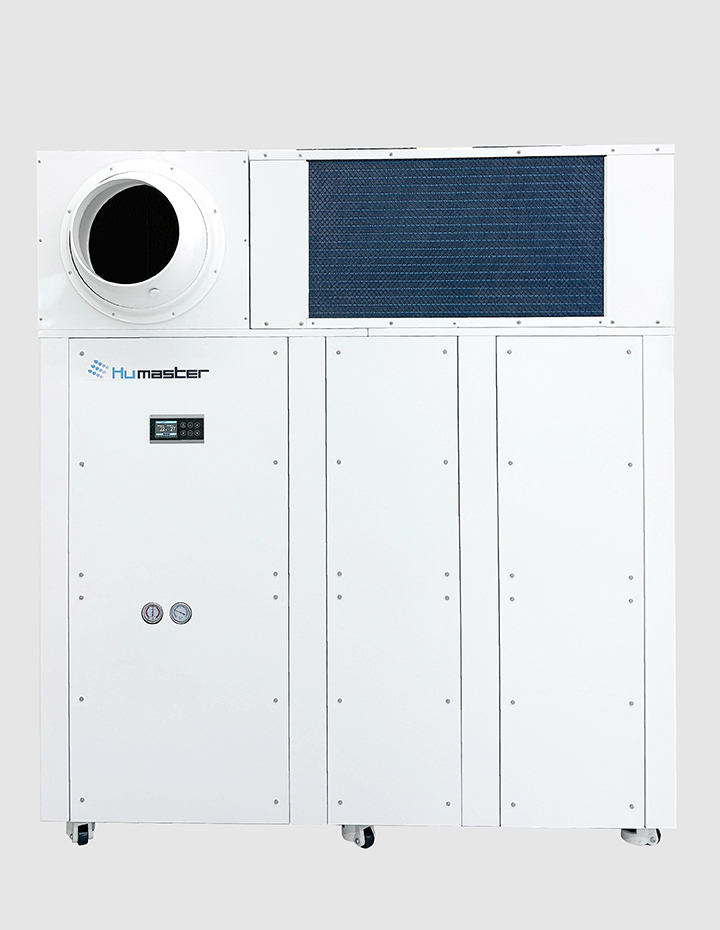
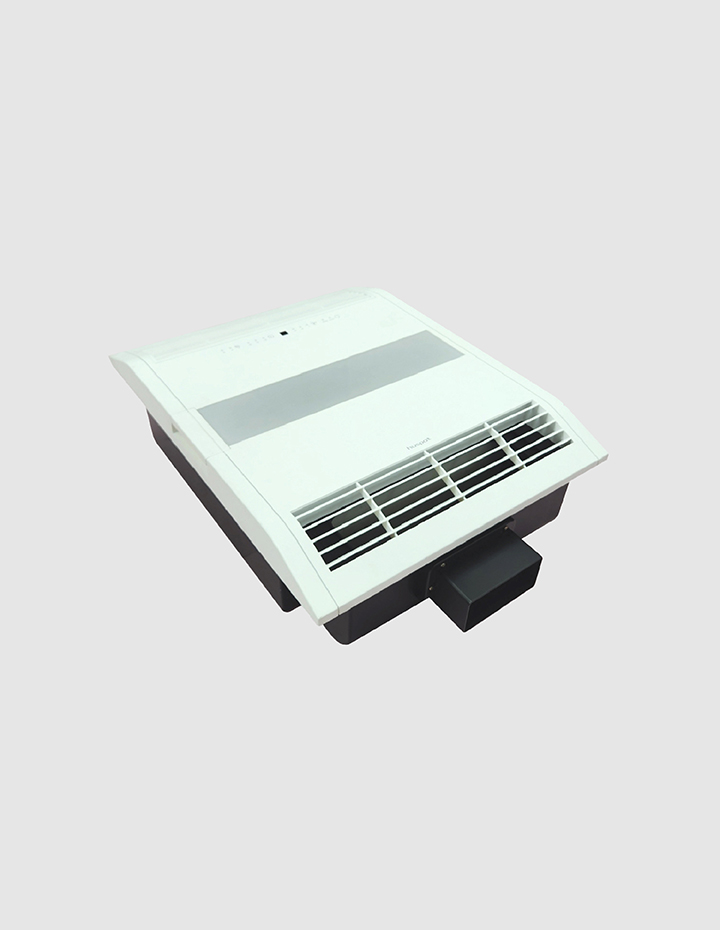
To address this issue, Humaster proposed “Humicon,” a hybrid dehumidifier incorporating desiccant dehumidification technology. Desiccant dehumidification uses solid desiccant materials to directly absorb moisture from the air. Its greatest advantage is that it can independently manage humidity (latent heat load) without changing the air temperature. By eliminating unnecessary reheating processes, the technology can significantly improve energy efficiency.
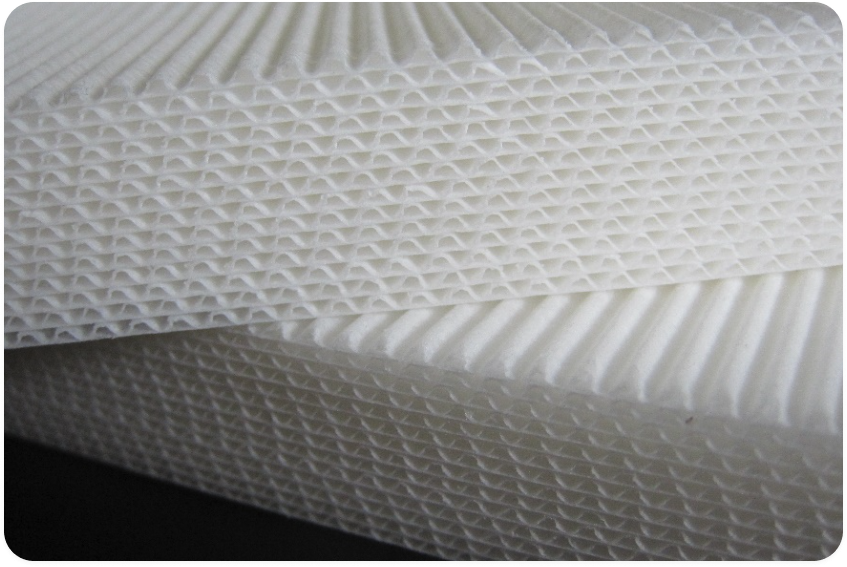
Humicon employs a two-stage hybrid dehumidification system. First, a cooling coil lowers the air temperature to its dew point to remove moisture. The air then passes through a desiccant dehumidification rotor, which removes additional moisture. This system can reduce humidity much more effectively than conventional cooling-based air-conditioning systems while consuming less energy.
Demonstration at the National Palace Museum of Korea Shows 49% Reduction in Power Consumption
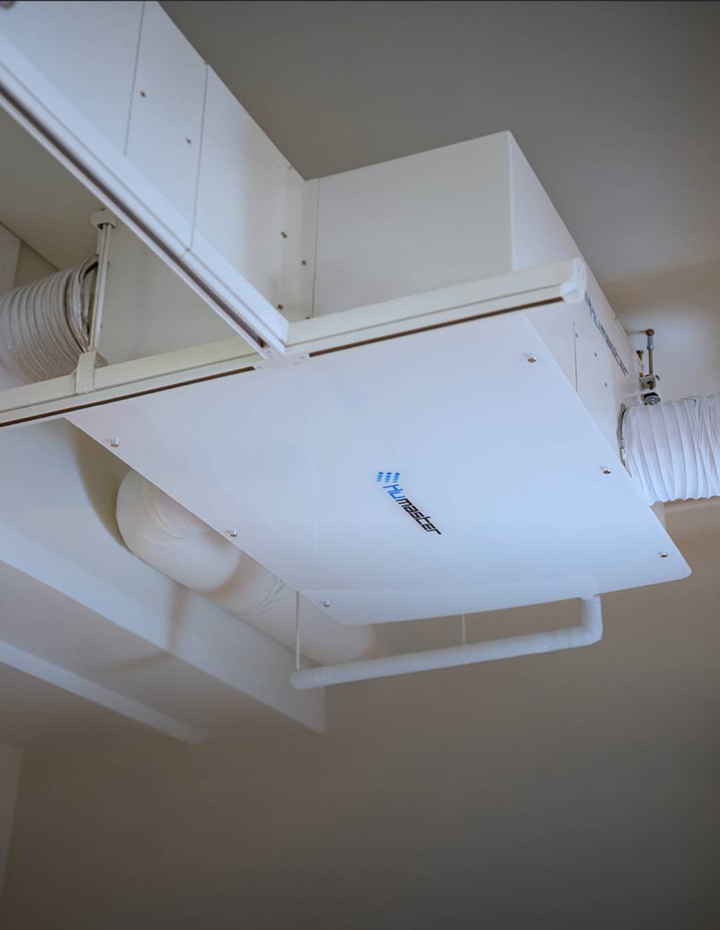
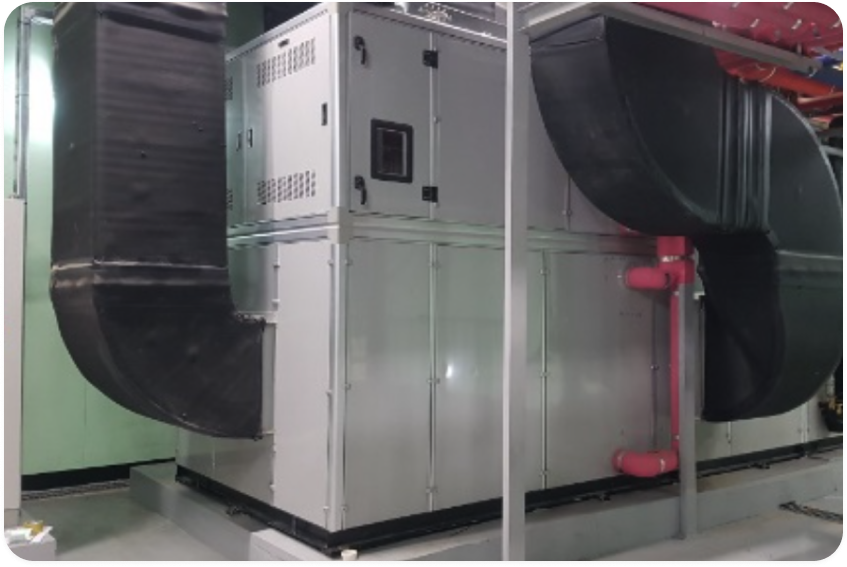
Humicon’s effectiveness was demonstrated through a field study conducted in the underground storage facility of the National Palace Museum of Korea. The research team installed a 1,200 CMH Humicon unit in part of the return duct of the existing 2,400 CMH air-handling unit (AHU 25) used for temperature and humidity control.
This approach improved energy efficiency simply by adding auxiliary equipment, without requiring a major replacement of the existing system.
A one-week comparative operation showed that both the existing air-handling unit operating independently and the system operating in combination with Humicon maintained stable target conditions, with a temperature of approximately 24°C and relative humidity of approximately 51%.
The most notable result was the reduction in energy consumption. When Humicon operated alongside the existing system, total power consumption decreased by 49.2% compared with the existing air-handling unit operating alone, demonstrating its outstanding energy-saving performance.
This study demonstrated that desiccant dehumidification technology is a highly effective alternative for spaces that require precise humidity control, such as museum storage facilities. In particular, adding Humicon to an existing system, rather than replacing the entire system, can achieve energy savings of nearly 50%, making it a practical improvement that can also help reduce investment costs.
Another advantage is that Humicon provides ventilation and air purification functions that conventional temperature and humidity control systems do not offer. Its dehumidification rotor can also remove VOCs (volatile organic compounds) and odors, improving air quality inside enclosed storage facilities and further enhancing the preservation environment for cultural heritage.