A seminar and public hearing on organizational standards, hosted by the Heat Pump Technical Committee of the Korean Society of Air-Conditioning and Refrigerating Engineers and sponsored by Environment Daily, was held on November 20 at the Korea Science and Technology Center in Seoul. The event focused on discussing heat pump technologies and standards essential for addressing the climate crisis and promoting Zero Energy Buildings (ZEB). Approximately 100 participants from academic institutions and industry attended the event.
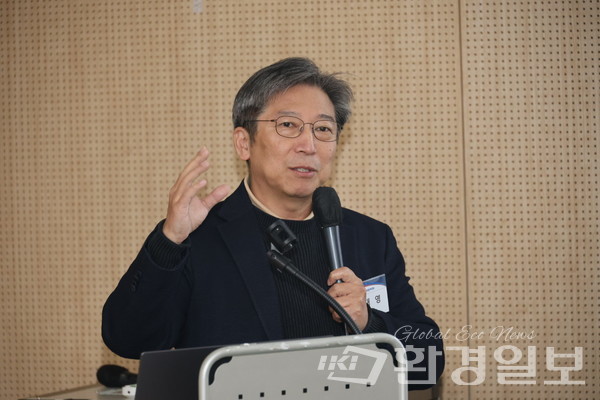
Jang Young-soo, incoming president of the Korean Society of Air-Conditioning and Refrigerating Engineers, delivered the opening remarks, highlighting changes in the international climate policy landscape. He stated, “The national target of reducing greenhouse gas emissions by 53–61% by 2035, together with the ongoing phase-out of coal-fired power generation, calls for fundamental structural changes in the energy system.”
He further emphasized the importance of transitioning to high-efficiency equipment, stating, “Heat pumps have now become essential equipment supporting the transition toward carbon neutrality.” He also stressed the need for continued technological development and improvements to relevant policies and regulations.
Latent Heat Takes Center Stage in ZEB Environments: Limitations of Conventional HVAC Systems
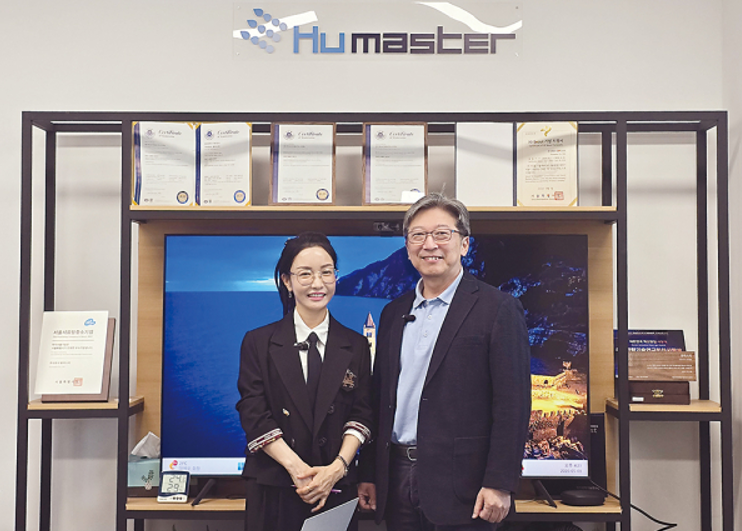
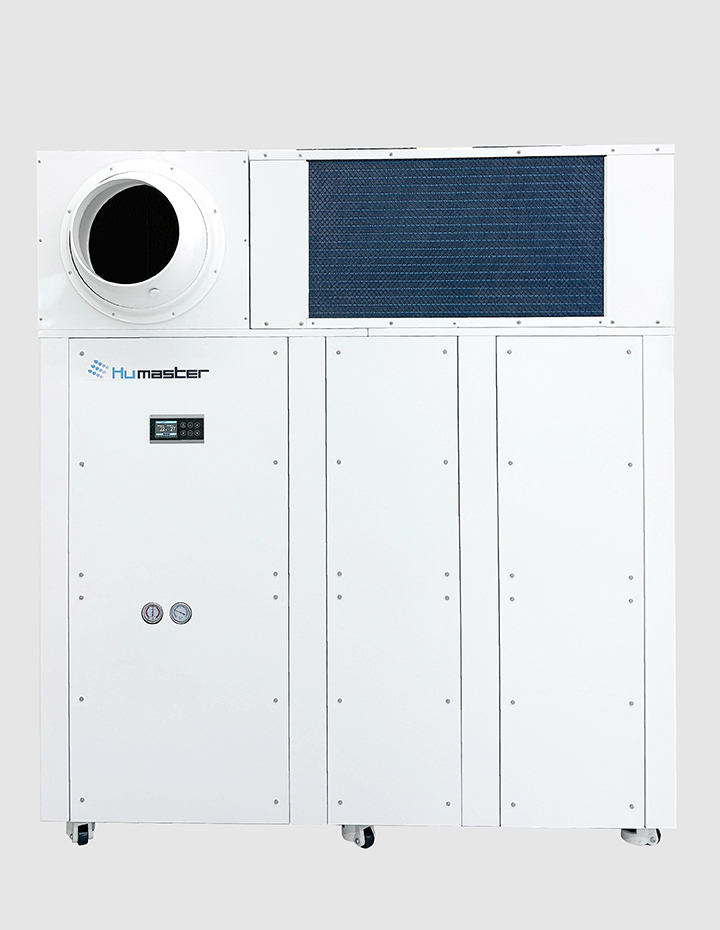
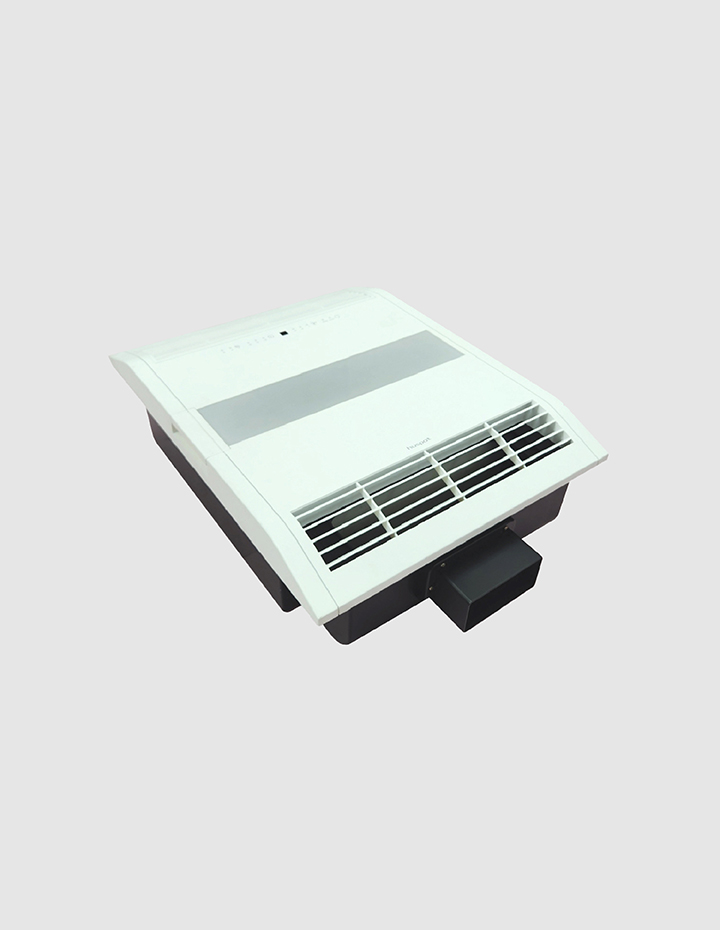
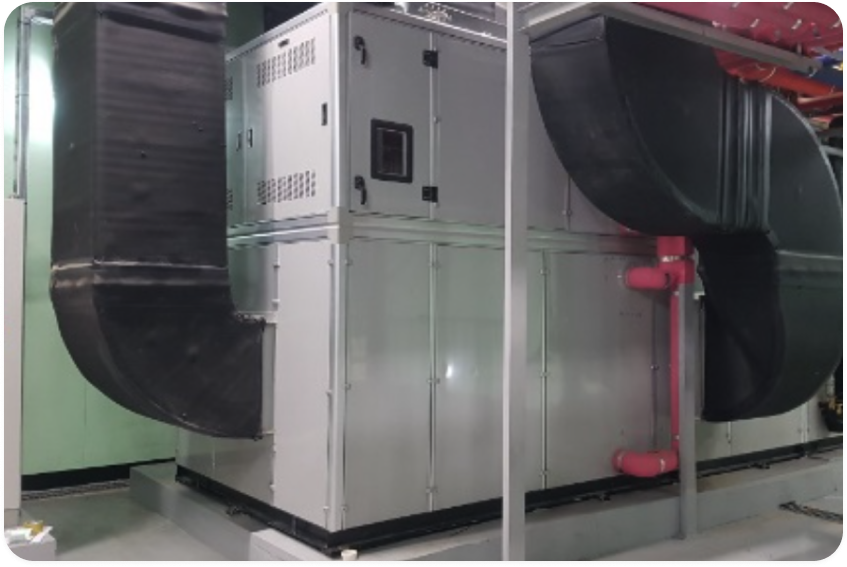
Lee Dae-young, CEO of Humaster, presented on “Latent Heat-Centered Heat Pump Technology,” highlighting the structural limitations of conventional HVAC systems and introducing Humaster’s desiccant-based air-conditioning technology.
In the first presentation, Lee explained the limitations of conventional air-conditioning systems, stating, “Conventional HVAC systems primarily focus on temperature control, making it difficult to respond to extreme conditions such as the monsoon season, high-humidity environments, and excessively dry conditions.”
He went on to explain the energy characteristics of moisture, noting that “A difference of 10 g/kg in absolute humidity represents an energy equivalent to a temperature change of 25°C.”
He also explained that humidity-related problems affect not only living environments but also industrial processes, causing various issues such as condensation, corrosion, and static electricity.
Lee further referred to Lambda House, a building constructed based on Passive House principles, pointing out that indoor humidity levels in Zero Energy Buildings can still rise to 70–80% during summer.
“In buildings with enhanced insulation and airtightness, failure to control moisture trapped indoors and high-humidity outdoor air entering the building can make mold growth and reduced indoor comfort difficult to avoid,” he explained.
He also highlighted the limitations of conventional heat pump dehumidification systems that rely primarily on cooling. “Although absolute humidity decreases, relative humidity increases, making effective dehumidification difficult in practice,” he said, emphasizing the need for technologies that can independently control temperature and humidity.
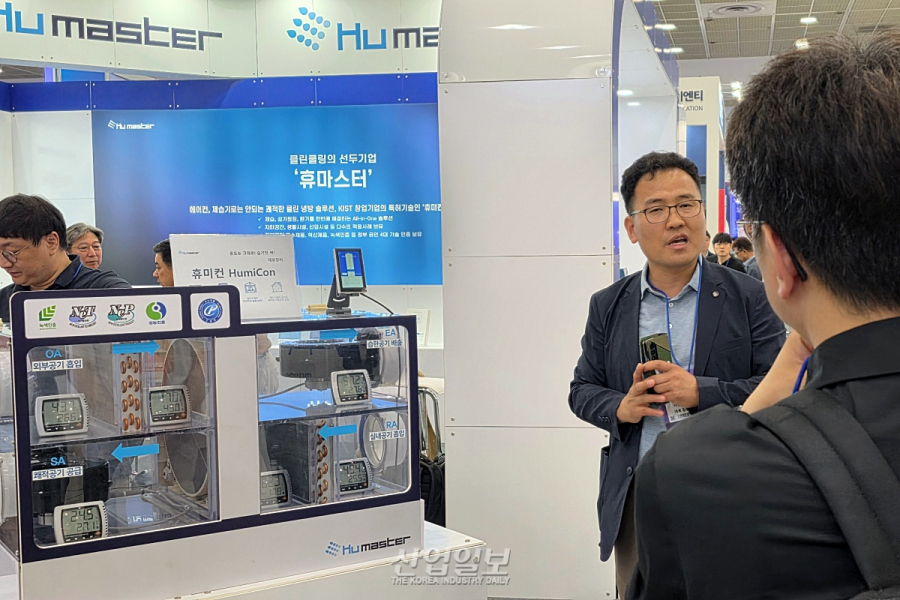
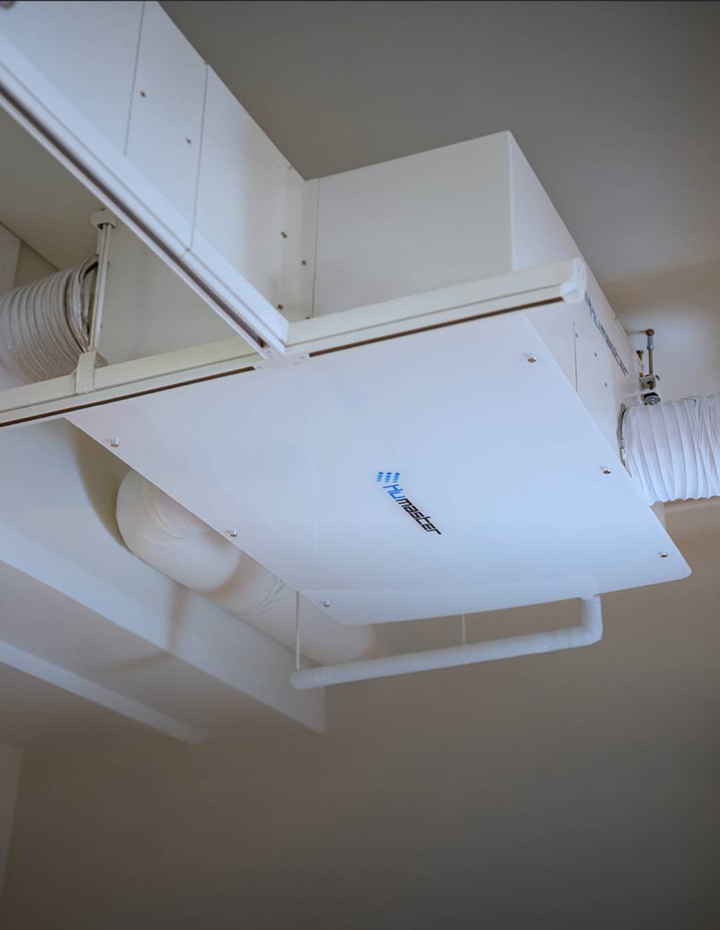
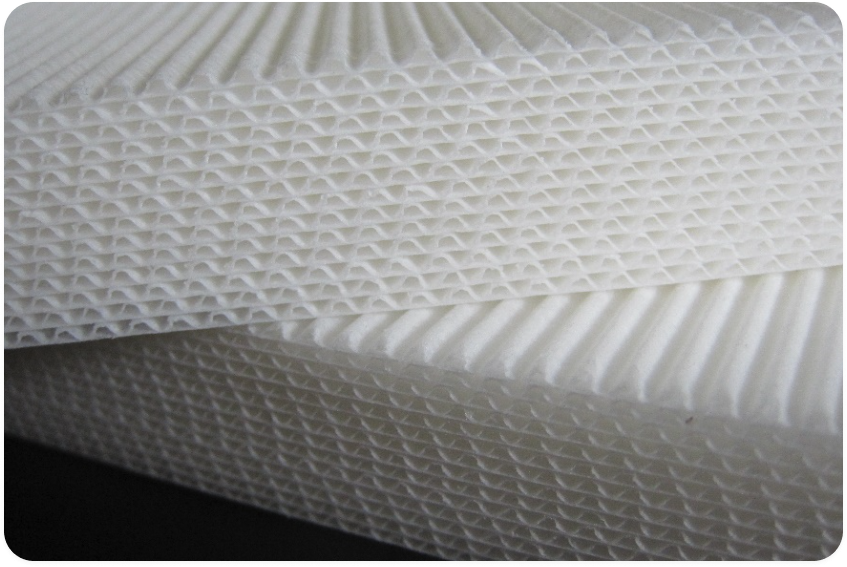
The presentation also introduced Humaster’s desiccant-based air-conditioning technology. Lee presented a technology using polymer-based desiccant materials, achieving a dehumidification efficiency of 3.53 L/kWh and a ventilation efficiency of over 70%.
He explained, “Utilizing adsorption heat for heating is an effective way to reduce energy losses. Furthermore, our vertically integrated structure, covering everything from materials and components to finished products, enhances the applicability of this technology in the HVAC industry.”