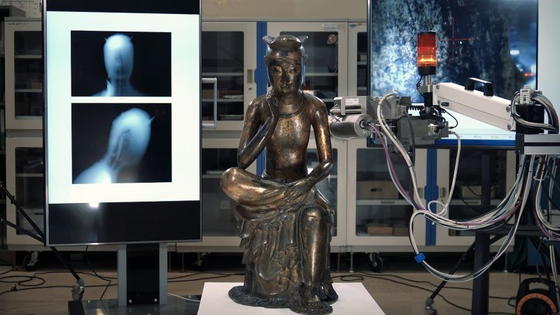
The summer rainy season, typhoons, and hot, humid weather pose challenges not only to people’s daily lives but also to cultural heritage that has endured for thousands of years. Rapid increases in temperature and fluctuations in humidity directly affect artifacts made from materials such as wood, metal, and textiles.
How, then, do major museums in South Korea protect these valuable cultural assets? In this article, we take a closer look at preservation methods used by two of the country’s leading museums: the National Museum of Korea and the National Palace Museum of Korea.
Maintaining Temperature and Humidity: The Foundation of Preservation
The National Museum of Korea has approximately 20 storage rooms, which are divided according to the materials of the artifacts they house, including separate rooms for metal objects, wooden objects, and paintings and calligraphy.
Temperature and humidity have a significant impact on the condition of cultural artifacts, making proper environmental control fundamental to their preservation. For example, the relative humidity (RH) in rooms storing metal artifacts is maintained below 50% to prevent corrosion, while rooms containing wooden artifacts and paintings and calligraphy are kept within a range of 50–60% RH.
During summer, when humidity rises rapidly, particular attention is paid to dehumidifying the metal storage rooms. In contrast, during the dry winter months, maintaining adequate humidity in the wooden artifact storage rooms becomes a priority.
However, managing the environment becomes considerably more complicated in exhibition spaces. Unlike storage rooms, where artifacts can be separated and managed according to their materials, exhibition halls display objects from various historical periods and made from different materials in the same space. Artifacts ranging from prehistoric times to the Joseon Dynasty, including those made of wood, metal, and paper, may be displayed together. As a result, providing an individually optimized environment for every artifact is virtually impossible.
To address this challenge, museums establish balanced environmental standards that allow artifacts made from different materials to coexist without being exposed to excessive risks. In general, museums in South Korea maintain temperatures at 20 ± 4°C and relative humidity at 50 ± 10% RH. These standards are based on recommendations from the International Council of Museums (ICOM), with adjustments made to suit Korea’s climate.
Lee Hyun-joo, a curator at the National Palace Museum of Korea, explained, “The key in exhibition halls is to maintain stable baseline conditions and prevent significant fluctuations.”
Central HVAC Systems and Specialized Equipment for Precise Environmental Control
Environmental conditions in exhibition halls are primarily maintained through each museum’s central HVAC system. These systems regulate indoor temperature, humidity, airflow, and air cleanliness to create a comfortable and stable environment.
In addition, various supplementary technologies and equipment are used to keep artifacts in stable condition, including individual display cases designed to provide additional protection.
One notable example is a humidity-control product called Art Sorb. Made using silica gel, Art Sorb is installed inside display cases or storage rooms to maintain appropriate relative humidity levels. It is particularly effective in preserving moisture-sensitive artifacts such as historical documents and paintings. It can be described as a museum-specific version of the moisture absorbers commonly used in households.
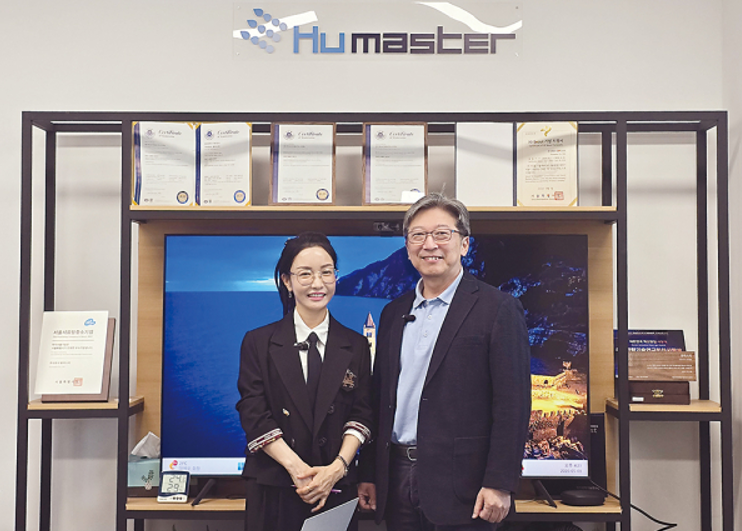
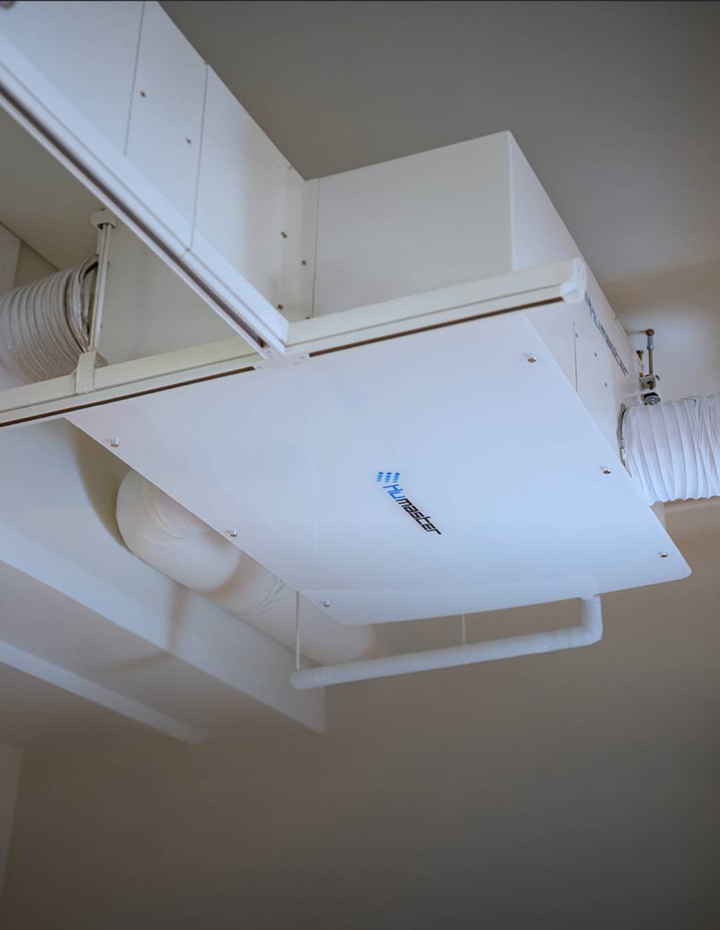
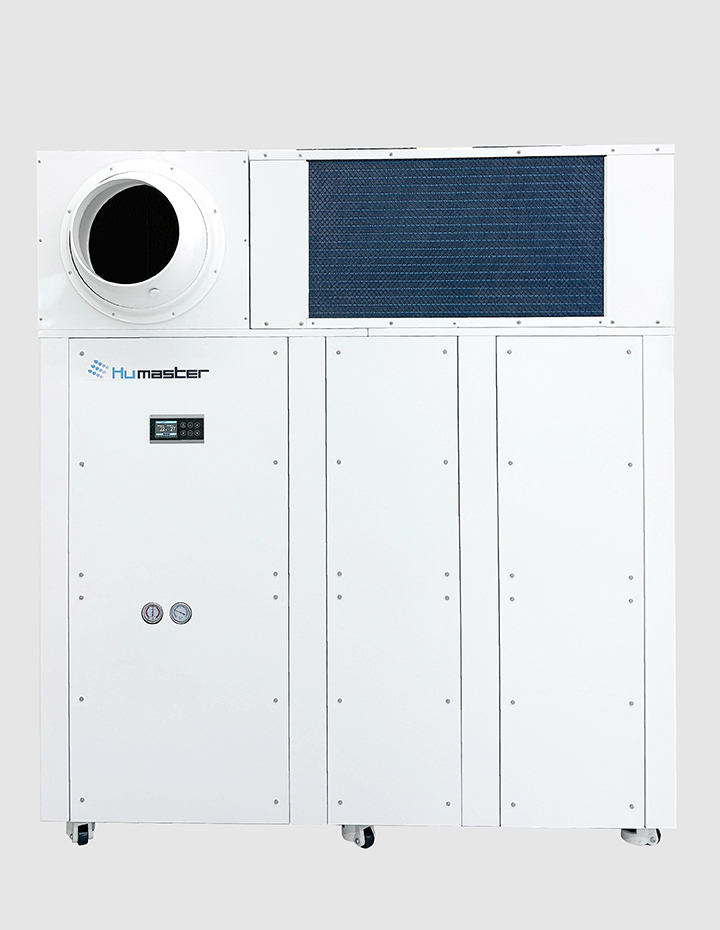
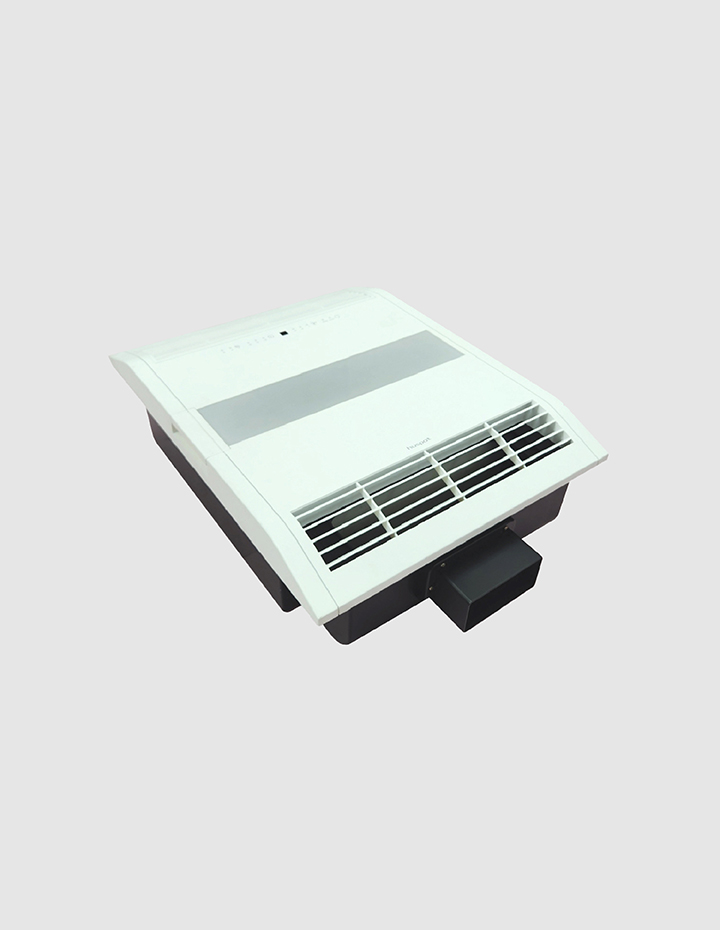
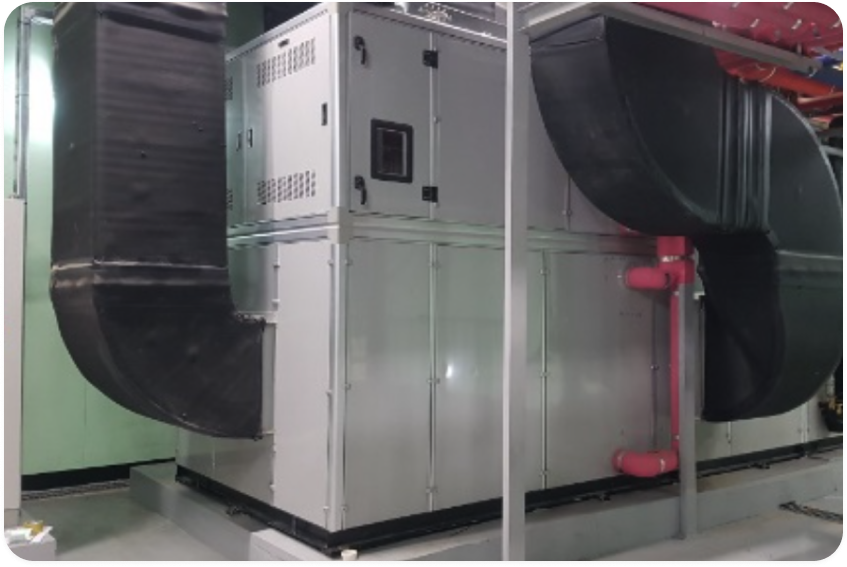
Specialized companies also contribute their expertise. Humaster, a company specializing in dehumidification and ventilation solutions, provides dehumidification, air purification, and ventilation systems to create suitable environmental conditions for exhibition spaces.
In February, the company installed its system at Wansan Bunker The Space in Jeonju, helping resolve high humidity problems associated with the underground environment.
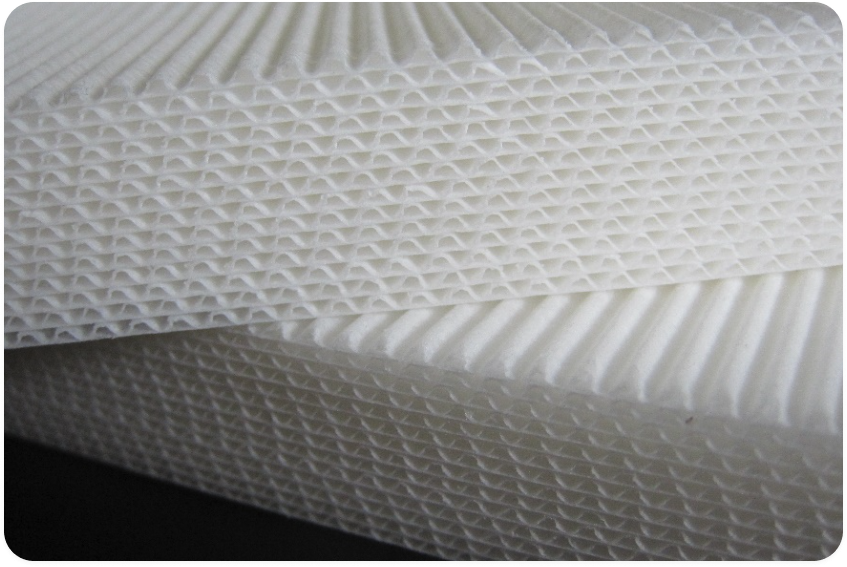
Humaster has also developed and supplied HuSheet, a patch-type humidity-control product, for institutions such as the Seoul Museum of Craft Art and the National Museum of Modern and Contemporary Art, Korea. The product is designed to maintain appropriate humidity levels inside compact display cases.
Lee Dae-young, CEO of Humaster, stated, “Objects displayed in museums and exhibition spaces require meticulous care. Our products have also undergone material safety assessments to ensure their suitability for use with cultural artifacts.”
Humaster is also planning to expand into Thailand’s National Museum of Natural History in the first half of next year.
Traditional Materials Also Played a Role in Artifact Preservation
Before these technologies became widely available, paulownia wood was commonly used in artifact preservation. Its resistance to moisture and ability to absorb impact made it suitable for exhibition walls, storage cabinets, and transportation boxes for cultural artifacts.
Although the use of paulownia wood has declined with the development of more precise and advanced materials, it is still used when transporting artifacts.
Lee Seung-eun, a curator at the National Museum of Korea, emphasized, “Safety is the most important consideration in cultural heritage preservation. Therefore, we select and use only technologies that have already been tested and validated by the industry.”
Finding the Right Balance Between Energy Efficiency and Cultural Heritage Preservation
Although the preservation of cultural heritage remains museums’ top priority, energy efficiency has also become an important consideration amid the climate crisis.
Maintaining consistent temperature and humidity throughout the year using HVAC systems may be ideal for artifact preservation, but it can also consume substantial amounts of energy.
For example, the National Palace Museum of Korea spends approximately 38% of its total budget on electricity, with most of this expenditure going toward operating its HVAC systems.
Lee Hyun-joo explained, “As energy efficiency has become an increasingly important issue in the era of climate crisis, we are also studying ways to adjust environmental standards more flexibly according to the characteristics of individual artifacts during periods that are not as climatically extreme as summer and winter.”
Lee Seung-eun also noted, “Temperature fluctuations of around 1–2°C do not have a significant impact on artifacts. The challenge is to identify the optimal preservation conditions that ensure the safety of cultural heritage without excessive energy consumption.”
Cultural heritage naturally deteriorates over time. What matters is how much we can slow down that process. Museums exist to fulfill this very role, which is why they are often described as “hospitals for cultural heritage.”
Even though these efforts may go unnoticed by visitors, a quiet but relentless battle against humidity continues inside museums every day to protect invaluable cultural heritage for future generations.